
Resource Efficiency through Digital Process Optimization
In modern manufacturing, the efficient use of resources plays an increasingly important role. Through digital process optimization, companies can not only increase their productivity but also operate sustainably and reduce costs.
Fundamentals of Digital Process Optimization
Digital process optimization involves the systematic analysis and improvement of workflows using digital technologies. Production processes are comprehensively recorded, analyzed, and optimized digitally. This enables significantly more efficient use of available resources such as materials, energy, and time.
Core Elements of Digital Transformation
CAD/CAM Systems
Modern CAD/CAM systems form the foundation of digital process optimization. They enable precise planning and simulation of manufacturing processes, thereby minimizing material waste and optimizing production times. Digital preplanning makes it possible to identify and correct errors at an early stage.
Networked Production Systems
The networking of production equipment allows for continuous monitoring and control of manufacturing processes. Sensors collect relevant data in real time, enabling dynamic adjustment of production parameters for maximum efficiency.
Advantages of Digital Process Optimization
- Reduction of material waste through precise planning
- Optimized energy usage through intelligent control
- Shortened lead times through automated processes
- Improved quality assurance through continuous monitoring
- Lower maintenance costs through predictive maintenance
Implementing Digital Optimization Processes
Successfully implementing digital process optimization requires a systematic approach. Initially, existing processes must be analyzed and potential areas for improvement identified. This is followed by a step-by-step introduction of digital solutions, accompanied by appropriate training measures for employees.
Practical Example from CNC Manufacturing
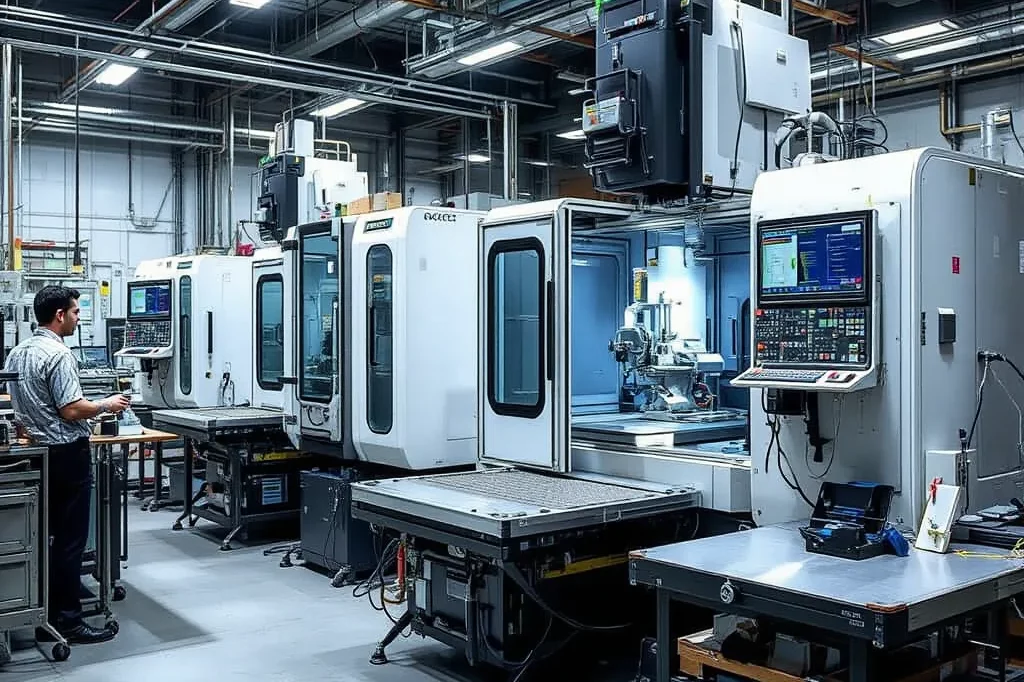
CNC Center Northeim GmbH is a prime example of how digital process optimization can be successfully applied in practice. With state-of-the-art CAD/CAM systems and networked CNC machines, the company achieves the highest precision with maximum resource efficiency. Through the continuous development of digital processes, complex components for various industries such as medical technology, optics, and the aerospace industry can be produced economically and with minimal resource consumption.