
Material Requirements in the Optical Industry
The optical industry places particularly high demands on the materials used. Precision, stability, and specific optical properties are of crucial importance. In this article, we examine the most important material requirements and their significance for the production of optical components.
Basic Material Requirements
The materials used in the optical industry must exhibit several fundamental properties:
- High optical transparency within the desired wavelength range
- Precisely defined refractive index
- Homogeneous material structure
- Minimal internal stresses
- High mechanical stability
- Good workability
Specific Materials in the Optical Industry
Optical Glasses
Optical glasses form the basis of many optical systems. They are characterized by the following properties:
- Very high optical homogeneity
- Precisely adjustable optical properties
- Excellent chemical resistance
- High thermal stability
- Good polishability
Crystalline Materials
Crystalline materials such as quartz, sapphire, or calcium fluoride are used in specialized applications. They offer:
- Unique optical properties
- High hardness and wear resistance
- Specific transmission properties
- Defined crystallographic orientation
Surface Quality Requirements
Surface quality plays a central role in the optical industry. The following aspects must be considered:
- Surface roughness in the nanometer range
- Minimal waviness
- Highest form accuracy
- Flawless polishing
- Defined surface characteristics
Coatings and Finishing
Modern optical components often require special coatings that must meet the following criteria:
- Precise optical properties
- High adhesive strength
- Wear resistance
- Chemical stability
- Defined layer thicknesses in the nanometer range
Quality Assurance and Testing Methods
Compliance with material requirements must be ensured through appropriate testing methods. These include:
- Interferometric measurements
- Surface analyses
- Material homogeneity tests
- Photoelastic investigations
- Transmission and reflection measurements
Practical Implementation of Material Requirements
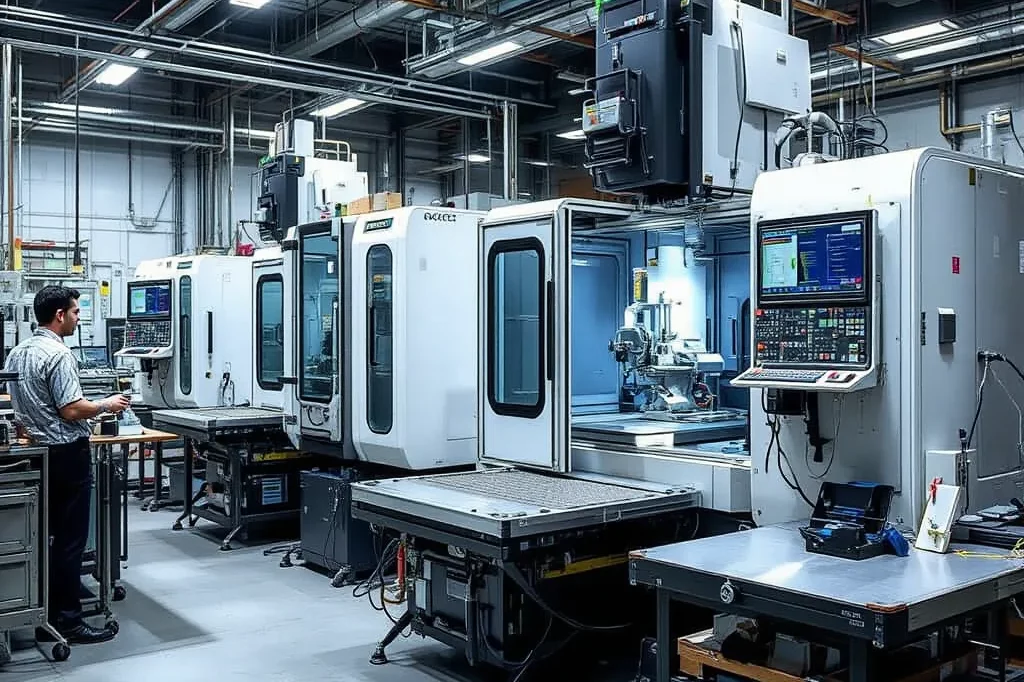
CNC Center Northeim GmbH has established itself as a specialist in the machining of high-precision optical components. Using state-of-the-art CNC machines and experienced professionals, the high material requirements of the optical industry are met. Through a combination of precise manufacturing and comprehensive quality control, the company ensures compliance with the strict specifications required for optical components. Years of experience in working with a wide variety of materials make CNC Center Northeim a reliable partner for the optical industry.
You can find this and more exciting articles on our website www.cnc-northeim.de