
Forward-Looking Strategies for Sustainable Waste Management
At a time when environmental protection and resource efficiency are becoming increasingly important, sustainable waste management is gaining more and more significance. Innovative strategies and modern technologies enable companies to reduce their waste efficiently while contributing positively to environmental protection.
The Fundamental Principles of Sustainable Waste Management
Sustainable waste management is based on several key principles that build upon and complement each other. At its core lies the so-called waste hierarchy:
- Prevention: The best way to reduce waste is not to produce it in the first place
- Reuse: Products and materials should be kept in use for as long as possible
- Recycling: Materials that can no longer be used are processed and utilized as secondary raw materials
- Other Recovery: For example, energy recovery from non-recyclable materials
- Disposal: Only as a last resort, when no other form of recovery is possible
Digitalization in Waste Management
Digitalization plays a central role in optimizing waste management. Modern software solutions enable precise recording and analysis of waste streams. By using sensors and IoT technologies, waste containers can be monitored in real time and waste collection can be optimally planned. These digital tools not only help increase efficiency but also conserve resources and reduce CO2 emissions.
Circular Economy as a Future Model
An essential aspect of sustainable waste management is the implementation of circular economy concepts. The goal is to keep materials in the economic cycle for as long as possible and to view waste as valuable resources. This requires:
- Innovative product designs that facilitate repair and recycling
- Efficient take-back systems for used products
- High-quality recycling processes for material recovery
- New business models focused on sharing and reuse
Innovative Technologies in Recycling
The development of new recycling technologies is progressing steadily. Artificial intelligence and robotics enable more precise sorting of waste. Chemical recycling opens up new possibilities for processing plastics. These innovations help increase recycling rates and improve the quality of recycled materials.
Operational Waste Management in Practice
For companies, sustainable waste management also means economic benefits. By optimizing production processes and avoiding waste, costs can be reduced. At the same time, effective waste management increases resource efficiency and enhances the company’s image.
The Role of Employees
Successful waste management requires the active involvement of all employees. Regular training and clear guidelines for waste separation are essential. Equally important is raising awareness about resource conservation and sustainability.
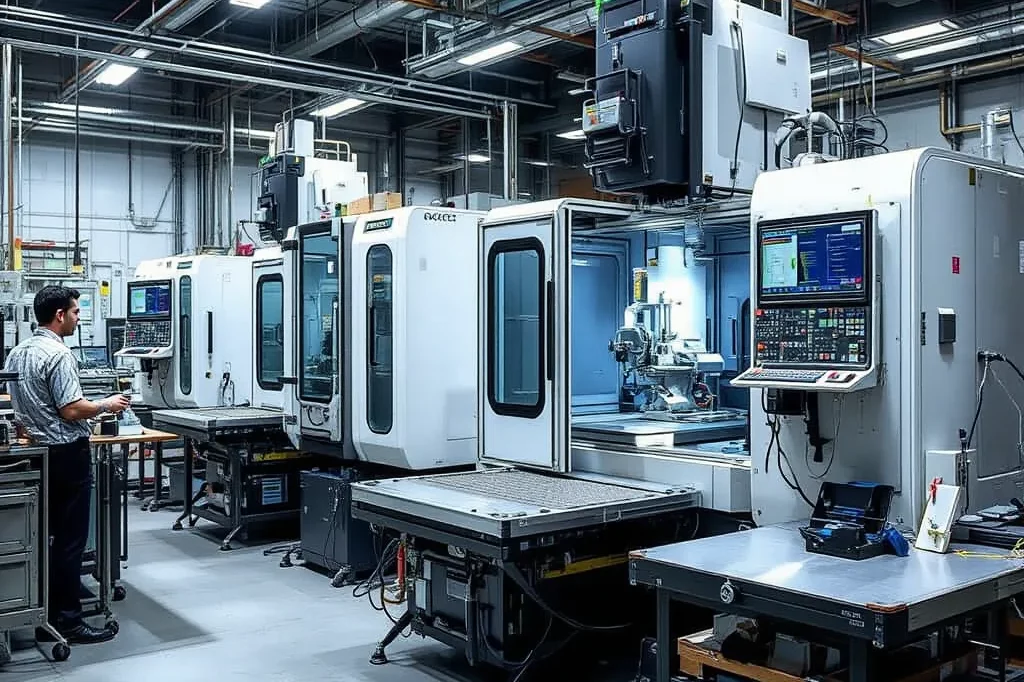
CNC Center Northeim GmbH relies on a well-thought-out waste management concept in its production. By optimizing CNC manufacturing processes and using state-of-the-art technologies, material waste is minimized. Residual materials and chips are sorted by type and recycled. This consistent implementation of sustainable waste management strategies highlights the company’s commitment to environmental protection and resource efficiency.

