
Digital Transformation of Manufacturing Planning
The digital transformation is fundamentally revolutionizing industrial manufacturing. Especially in manufacturing planning, modern technologies are opening up entirely new possibilities to make processes more efficient and flexible. This article highlights the key aspects of this development.
Fundamentals of Digital Manufacturing Planning
Digital manufacturing planning is based on the seamless integration of all relevant systems and processes. By integrating CAD/CAM systems, ERP software, and production control, digital twins of manufacturing processes are created. These enable precise planning and simulation even before actual production begins.
Core Elements of Modern Manufacturing Planning
- Digital tool management
- Virtual process simulation
- Automated work planning
- Real-time production monitoring
- Predictive maintenance
Integration of Artificial Intelligence
Artificial intelligence plays an increasingly important role in manufacturing planning. AI algorithms analyze large volumes of production data and independently optimize process parameters. They detect patterns and can identify potential issues early, before they lead to production downtime.
Use Cases for AI in Manufacturing
- Optimization of machine runtimes
- Automated quality control
- Predictive maintenance planning
- Intelligent material flow control
Cloud-Based Manufacturing Planning
Cloud computing enables cross-location planning and control of manufacturing. Production data is available in real time and can be accessed by all stakeholders. This improves collaboration between various departments and allows for flexible adaptation of production planning to changing requirements.
Importance of Data Security
With increasing digitalization, data security becomes more important. Modern manufacturing planning systems must meet high security standards and protect sensitive production data from unauthorized access. This requires both technical and organizational measures.
Benefits of Digital Transformation
- Increased productivity through optimized processes
- Improved quality assurance
- Reduction of lead times
- Higher flexibility in production changes
- Better utilization of resources
Practical Industrial Example
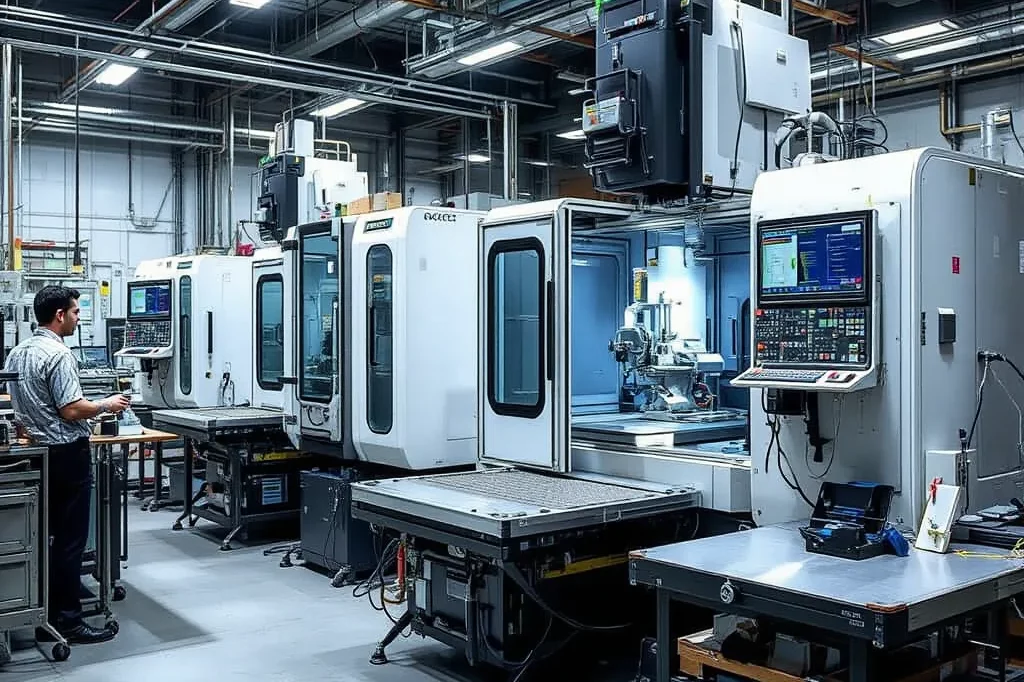
CNC Center Northeim GmbH illustrates how digital transformation in manufacturing planning can be successfully implemented. Using modern CAD/CAM systems and networked CNC machines, the company achieves highly precise and efficient production. The integration of 3D measurement technology and digital quality assurance enables continuous process monitoring. Consistent digitization of manufacturing planning allows for quick and flexible implementation of customer-specific requirements.