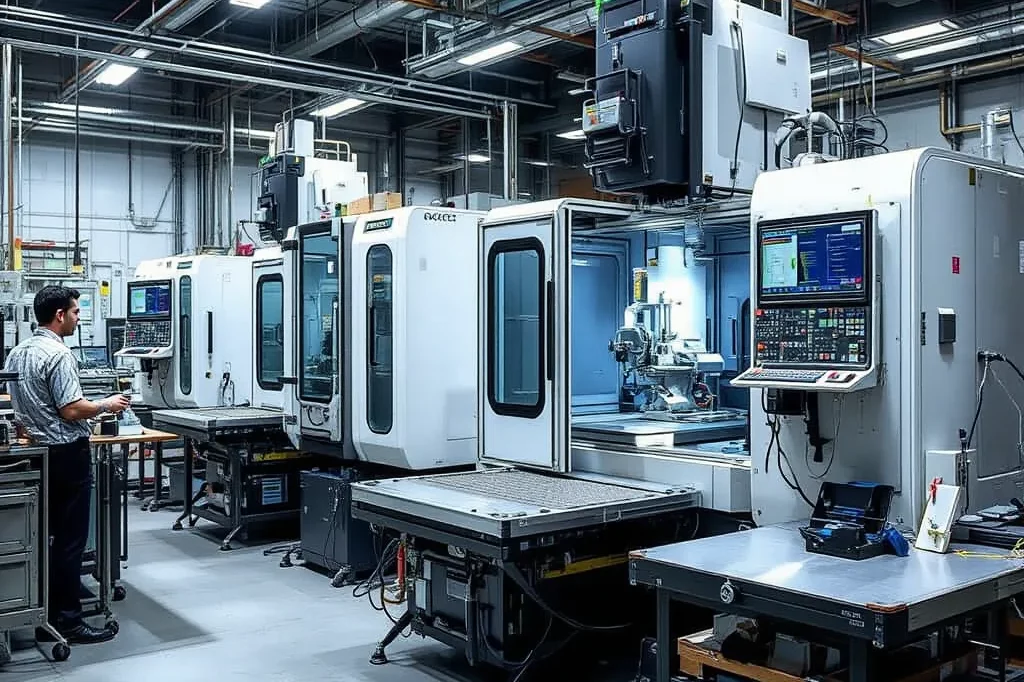

Big Data Analytics in Precision Parts Manufacturing
Precision parts manufacturing is undergoing a significant transformation through the integration of Big Data Analytics. This innovative technology enables companies to analyze large volumes of data and derive valuable insights for their production processes.
Basics of Big Data in Manufacturing
Big Data Analytics involves the collection and evaluation of large volumes of data from various sources within the manufacturing process. In precision parts manufacturing, data is collected and analyzed from machines, sensors, quality assurance systems, and production control. These data volumes exceed the processing capacities of traditional database systems and require specialized analytical tools.
Advantages of Data Analysis in Precision Manufacturing
- Early detection of machine wear and maintenance needs
- Real-time optimization of production workflows
- Improved product quality through precise process monitoring
- Reduction of scrap and rework
- More efficient use of resources
Implementation of Big Data Systems
Successful implementation requires a systematic approach. First, relevant data sources need to be identified and appropriate sensors installed. Data is collected in real time and stored in specialized database systems. Modern analytical software processes this data and presents it in clear dashboards.
Technical Requirements
Effective use of Big Data Analytics requires specific technical prerequisites. These include powerful server systems, a stable network infrastructure, and modern analytical software. Integration into existing ERP and MES systems also plays an important role.
Practical Applications in Precision Manufacturing
In practice, Big Data Analytics enables, for example, predictive maintenance of CNC machines. By continuously analyzing machine data, potential failures can be identified early and proactively addressed. The evaluation of large data volumes also significantly improves the optimization of cutting parameters and tool life.
Future Perspectives
Developments in precision parts manufacturing continue to advance. Artificial intelligence and machine learning are increasingly being integrated into analytical processes. This enables even more accurate predictions and automated process optimizations.
Practical Example from the Region
CNC Center Northeim GmbH is already leveraging the latest technologies in precision manufacturing. With a state-of-the-art machine park and advanced measurement systems, process data is continuously collected and evaluated. This data helps to continuously improve manufacturing quality and increase production efficiency. The integration of Big Data Analytics is an important component of the company’s future viability.
Learn more at www.cnc-northeim.de or contact us directly! We look forward to working with you.